
In the vibrant, rhythmic world of Latin dance, choosing your first style can feel overwhelming. Whether you're a complete beginner or looking to spice up your dance repertoire, deciding between Cha Cha and Samba is a common conundrum in Latin dance classes Toronto. Both offer unique challenges and joys, appealing to different preferences and skill levels. This article guides you through the key considerations, from the social nature of Cha Cha to the fluidity of Samba, helping you make an informed choice that aligns with your goals and interests in these captivating dance forms.
- Understanding Latin Dance Styles: Cha-Cha vs. Samba
- Choosing Your First Step: Benefits of Each Dance
- Class Options in Toronto: Find Your Fit
- Master the Basics: Which Is Easier to Learn?
- Advanced Tips: Building on Your New Skills
Understanding Latin Dance Styles: Cha-Cha vs. Samba
Understanding Latin Dance Styles: Cha-Cha vs. Samba
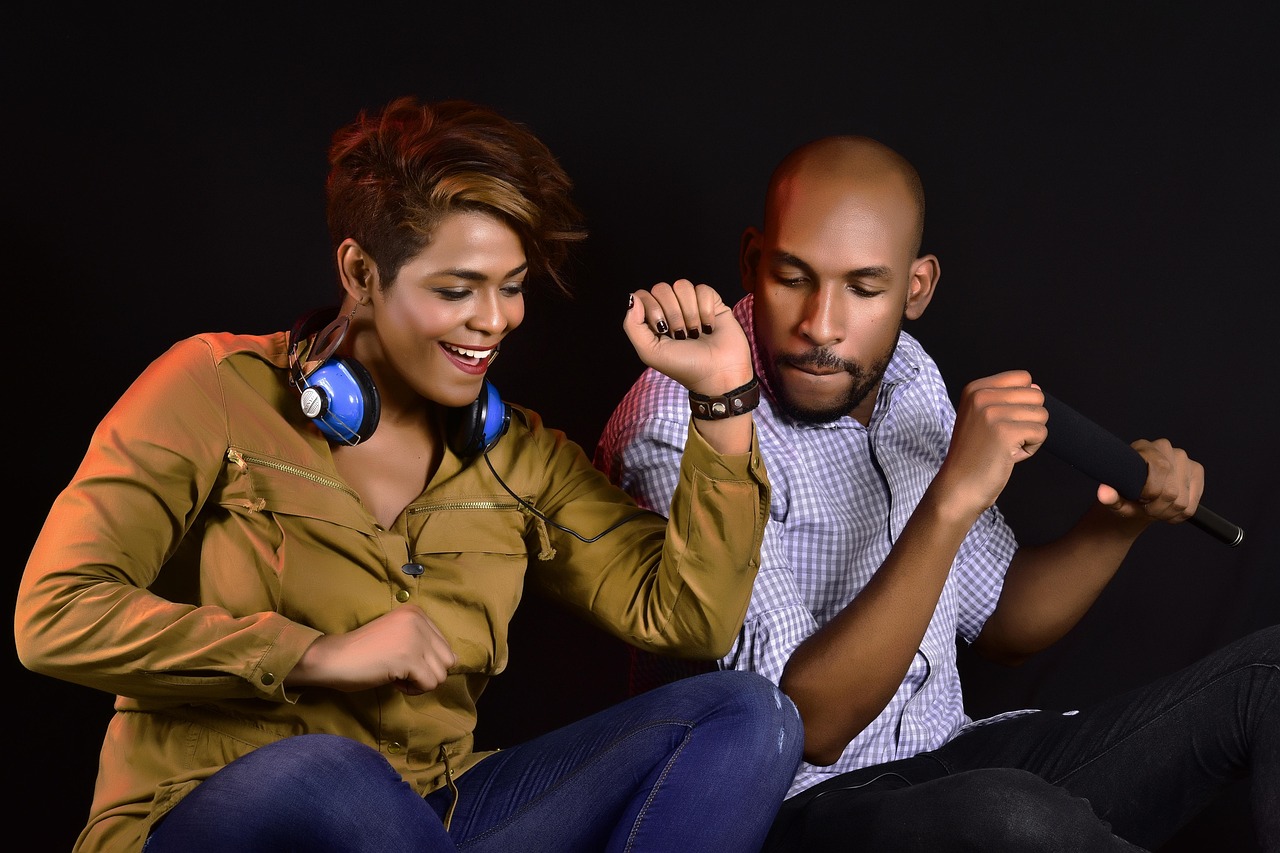
When exploring Latin dance classes in Toronto, whether at Beach Ballroom near Queen and Woodbine, or at a studio in the vibrant East End like those in Riverdale Farm or Ted Reeve Arena, one of the first decisions you'll make is whether to start with Cha-Cha or Samba. Both are energetic, rhythmic styles with roots in Caribbean and South American cultures, but they have distinct characteristics that can guide your choice.
The Cha-Cha is known for its lively, swinging steps that incorporate a lot of arm and hip movement. It's a partner dance that builds on basic ballroom techniques, emphasizing a strong connection with your dance partner. Learning the Cha-Cha can be an excellent starting point for beginners, as it develops fundamental dance skills like timing, balance, and coordination. Its steps are often simpler to grasp, making it a fun and accessible introduction to Latin dancing.
In contrast, Samba is a more complex and high-energy dance that originated in Brazil. It's characterized by its fast footwork, intricate hip movements, and vibrant rhythms. Samba classes in Latin dance schools in Toronto, from the East End to Riverdale, examine deeper into musicality and body control. This dance style often incorporates elements of African and European influences, resulting in a dynamic and expressive art form.
The choice between Cha-Cha and Samba depends on your personal preferences and learning goals. If you're seeking a more straightforward yet lively dance to start with, the Cha-Cha might be the ideal choice. However, if you're eager to immerse yourself in a vibrant, rhythmically complex dance that challenges your physicality, Samba could be the better starting point. Both styles offer unique benefits and will open doors to a rich world of Latin dancing.
Choosing Your First Step: Benefits of Each Dance

When deciding between Cha Cha and Samba for your first steps into the world of Latin dancing, consider the unique benefits each offers. Both are dynamic and engaging, but their stylistic differences can guide your choice based on your personal preferences and goals.
The Cha Cha is a lively, fast-paced dance that builds speed and agility. Its emphasis on quick footwork and sharp turns makes it a fantastic choice for those looking to improve their overall footwork and coordination. In latin dance classes Leslieville or Riverdale Farm, you'll often learn the Cha Cha as a foundation for other styles, as its basic steps are used in various dance combinations. It's an excellent starting point for beginners who enjoy a more energetic and playful dance style.
On the other hand, Samba is known for its sensual and rhythmic flow. This dance style is deeply rooted in Brazilian culture and is characterized by its complex footwork and hip movements. Learning Samba can enhance your sense of rhythm and body control. It's ideal for individuals who are drawn to more fluid, expressive movements and enjoy connecting with their body through dance. Beach Ballroom at 1501 Queen Street East offers a rich environment for exploring Samba's nuances, providing students with a cultural experience that goes beyond the steps.
The choice between Cha Cha and Samba depends on what resonates with you. If you thrive on energy and quick reflexes, the Cha Cha might be your first step. If you're more inclined towards rhythm and fluidity, Samba could be the perfect introduction to Latin dancing. Both styles offer immense satisfaction and can lead to a lifelong love for dance.
Class Options in Toronto: Find Your Fit
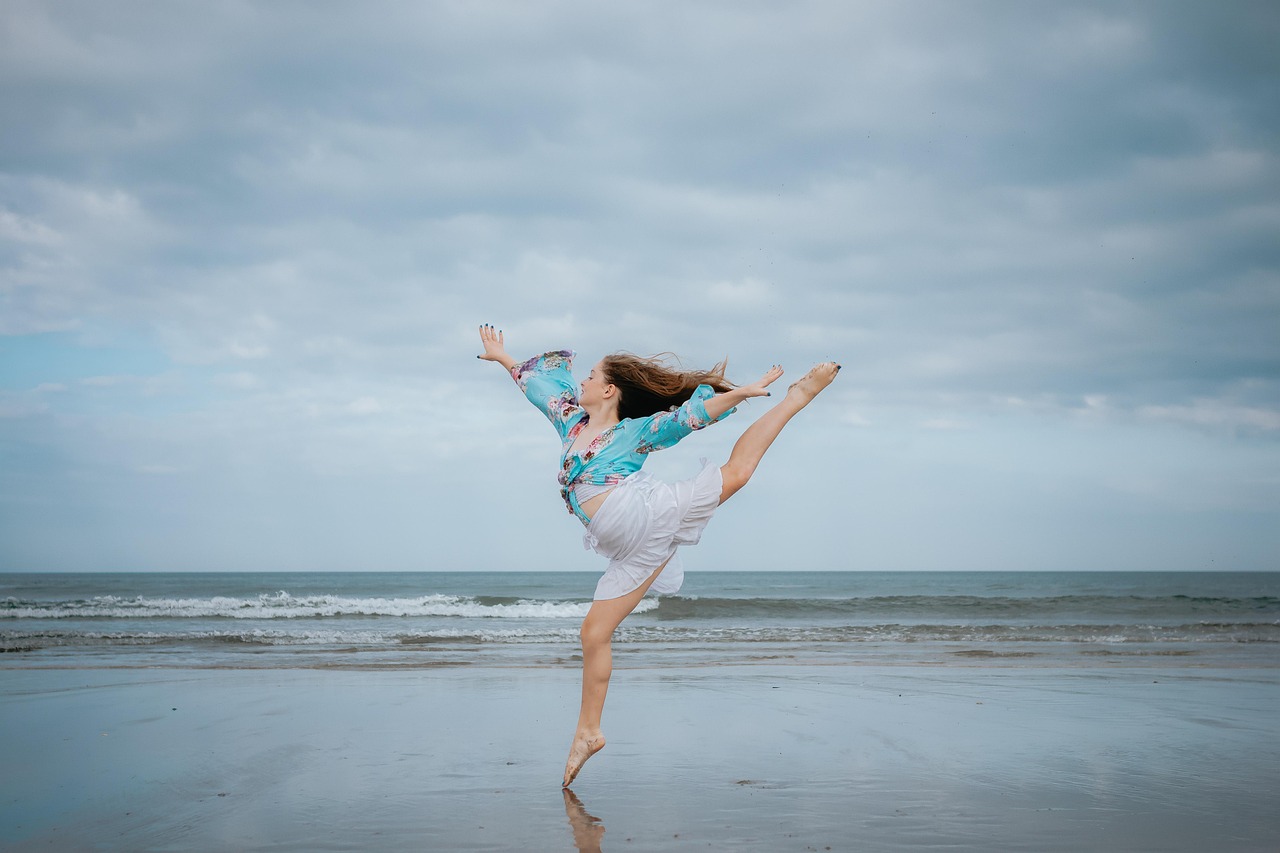
When deciding between learning Cha Cha and Samba in Latin dance classes Toronto, consider your current skill level, dance goals, and the vibrant local dance community. Toronto offers diverse class options, catering to beginners and advanced dancers alike. Stan Wadlow Park and Gerrard Street East are hotspots for dance enthusiasts, featuring studios that specialize in various styles.
For absolute beginners, Beach Ballroom, located in the heart of the city, provides comprehensive beginner dance workshops covering both Rumba and Cha Cha. Their structured curriculum ensures a smooth learning curve, focusing on rhythmic training and step-by-step instructions. In contrast, more experienced dancers might prefer the advanced classes at local dance centers in South Riverdale, known for their diverse range of styles, including Samba. These classes often cater to specific dance levels, allowing you to progress at your own pace.
The beauty of Latin dancing lies in its social aspect. If you envision yourself dancing with a partner, consider the couple dance classes available in the city. These classes teach not only the steps but also the art of connection and timing. Imagine spinning and twirling under the stars at a local outdoor venue like Stan Wadlow Park-the perfect setting for a romantic dance experience.
The choice between Cha Cha and Samba depends on your personal preference and the type of dancing you envision. Toronto's vibrant dance scene offers a unique opportunity to explore these dynamic styles, whether you're a novice or an advanced learner.
Master the Basics: Which Is Easier to Learn?
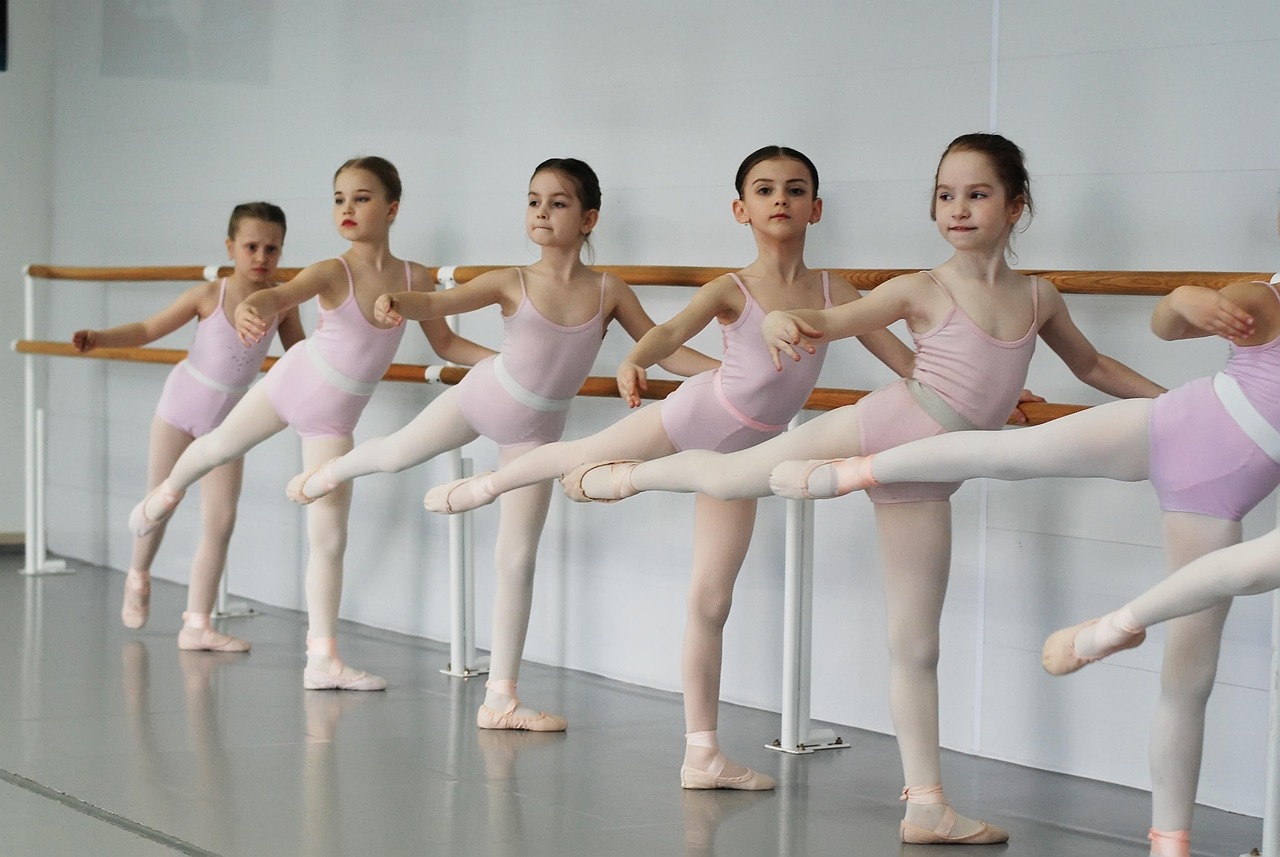
When deciding between learning Cha Cha and Samba in latin dance classes Toronto, understanding which is easier to grasp for beginners is crucial. Both dances offer a vibrant and expressive experience, but their complexity differs significantly. Cha Cha, known for its lively footwork and rhythmic patterns, is often considered more accessible for first-timers. This dance style emphasizes a steady, fast-paced rhythm, making it simpler to pick up the basic steps quickly. The fundamental Cha Cha steps focus on a side-to-side motion, allowing beginners to get a feel for the dance's rhythm and timing without overwhelming them with intricate footwork.
In contrast, Samba requires a bit more patience and practice. This Brazilian dance is renowned for its complex footwork and dynamic, circular movements. While Samba's rhythmic patterns are engaging, the intricate footwork and intricate body isolations can be challenging for absolute beginners. In latin dance classes Upper Beaches or South Riverdale, instructors often recommend Cha Cha as a foundational dance, building confidence and rhythmic understanding before introducing Samba's more advanced techniques.
At 1501 Queen St E, our experienced dance instructors design their teaching methods to cater to various learning styles. We often start with Cha Cha in our beginner dance workshops, allowing students to immerse themselves in the joy of dance and develop a solid sense of rhythm before tackling Samba's more intricate elements. Whether you're drawn to the vibrant energy of Cha Cha or the captivating fluidity of Samba, our dance curriculum developers ensure a structured learning path tailored to your goals and interests.
Advanced Tips: Building on Your New Skills

As you progress from beginner to intermediate levels in Latin dance classes Toronto, the real fun begins-you start to connect moves, add rhythm, and express yourself on the dance floor. Now that you've mastered the basics of Cha Cha and Rumba, it's time to examine deeper and explore more advanced techniques.
One effective way to enhance your skills is to combine the fluidity of the Cha Cha with the intricate steps of Samba. The Cha Cha's basic step pattern provides a solid foundation for understanding the Samba's complex rhythm and footwork. Starting with the Cha Cha's basic three-step turn, for instance, you can gradually introduce Samba moves like the "caminho" (a series of quick, zig-zag steps) and "batida" (a rhythmic clapping motion). This integration allows you to build a dynamic dance repertoire that combines the versatility of Cha Cha with the vibrant energy of Samba.
At Beach Ballroom at 1501 Queen Street East, our experienced instructors often guide students through these advanced techniques in our Latin dance classes Little India and Kingston Road locations. We tailor our classes to suit various skill levels, ensuring students receive personalized guidance as they progress. In our Pape Station 1-3 classes, you might learn to seamlessly transition from a Cha Cha to a Samba by connecting the final step of one move with the first step of the other, creating a fluid, continuous flow. This approach not only enhances your overall dancing ability but also opens up a world of possibilities for creative expression.
Frequently Asked Questions About Cha Cha Rumba and Samba Which to Learn First
What is the difference between Cha Cha and Samba? Cha Cha and Samba are both lively Latin American dance styles, but they have distinct characteristics. Cha Cha is a faster, more energetic dance with Cuban origins, characterized by its quick footwork and a distinctive "cha-cha" rhythm. Samba, on the other hand, is slower and more sensual, originating from Brazil, with a strong focus on hip movement and intricate foot patterns.
Which dance is easier to learn for beginners? For absolute beginners, Cha Cha is often considered more accessible. Its basic steps are simpler, and the constant rhythm makes it easier to pick up the sequence. Samba, with its intricate footwork and more complex rhythm, can be a steeper learning curve for new dancers.
Do I need any previous dance experience? No prior dance experience is necessary for either Cha Cha or Samba. Both dances are designed to be learned in steps, and the instructors at Beach Ballroom, 1501 Queen St E, Toronto, ON M4L 1E4, will guide you through the basics. However, a basic understanding of rhythm and coordination can make the learning process smoother.
How long does it take to learn each dance? The time to master either dance varies based on individual skill, commitment, and previous dance experience. Most students can grasp the basic steps of Cha Cha within a few weeks, while Samba's more complex patterns might take a bit longer, possibly a couple of months. Regular practice is key to improving faster.
Which dance is more popular in social settings? Cha Cha is widely recognized and enjoyed in social dance settings worldwide, thanks to its catchy rhythm and easy-to-follow steps. Samba, while equally popular in its native Brazil, may be less commonly seen in social dance halls outside of specific events or festivals.
Can I learn both dances at the same time? Absolutely! Many dance studios, like Beach Ballroom, offer combined classes to learn multiple styles simultaneously. This approach can be beneficial for beginners, as it allows for a balanced introduction to dance techniques and helps develop a broader dance repertoire.
Selecting your first dance style in the vibrant world of Latin dancing is an exciting yet crucial step, especially in Toronto's thriving dance scene. The article has guided you through the process, highlighting the unique characteristics of Cha-Cha and Samba. Both offer distinct benefits: Cha-Cha's smooth, rhythmic flow is excellent for beginners, while Samba's lively, energetic moves can be a challenging yet rewarding experience.
Understanding these styles is key to finding your fit in the diverse range of latin dance classes Toronto offers. By considering your energy levels, musical preferences, and social dancing goals, you can make an informed decision. The article's insights into class options, from beginner workshops to advanced performance opportunities, empower you to choose a studio and level that aligns with your aspirations.
Mastering the basics is a significant milestone, and the comparison here reveals that, for many, Cha-Cha's simplicity makes it an easier entry point. However, both dances offer rich opportunities for advancement, as highlighted in the advanced tips section. With the right guidance, you can build a strong foundation and explore intricate techniques, even in your first few months of learning.
As you move forward, remember that the journey in any dance is as rewarding as the destination. The article's comprehensive approach equips you with the knowledge to navigate Toronto's dance community, ensuring a fun, fulfilling, and uniquely personal experience.
When choosing between Cha Cha and Samba in latin dance classes Toronto, consider:
- Cha Cha: Lively, easy for beginners, emphasizes footwork and timing.
- Samba: Complex, rhythmically rich, focuses on intricate footwork and body isolations.
For beginners, Cha Cha is often recommended due to its accessibility. As you advance, Samba offers intricate techniques to combine with Cha Cha steps for dynamic performances. Studios like Beach Ballroom guide students through this progression, ensuring personalized learning experiences.